In a quiet desert town like Borrego Springs, where the sky stretches wide and the pace of life softens, there is a certain kind of knowing that lives just beneath the surface.
It appears in small ways.
A wave from across the road.
A familiar face at the market.
A pause in conversation that doesn’t need to be filled.
And yet, even in places where people know one another, there are moments when something deeper is needed.
A place to sit.
A place to listen.
A place to be met—not in passing, but in presence.
Long before modern life became fast and digital, women gathered in circles.
Not as an activity.
Not as an event.
But as a natural part of living.
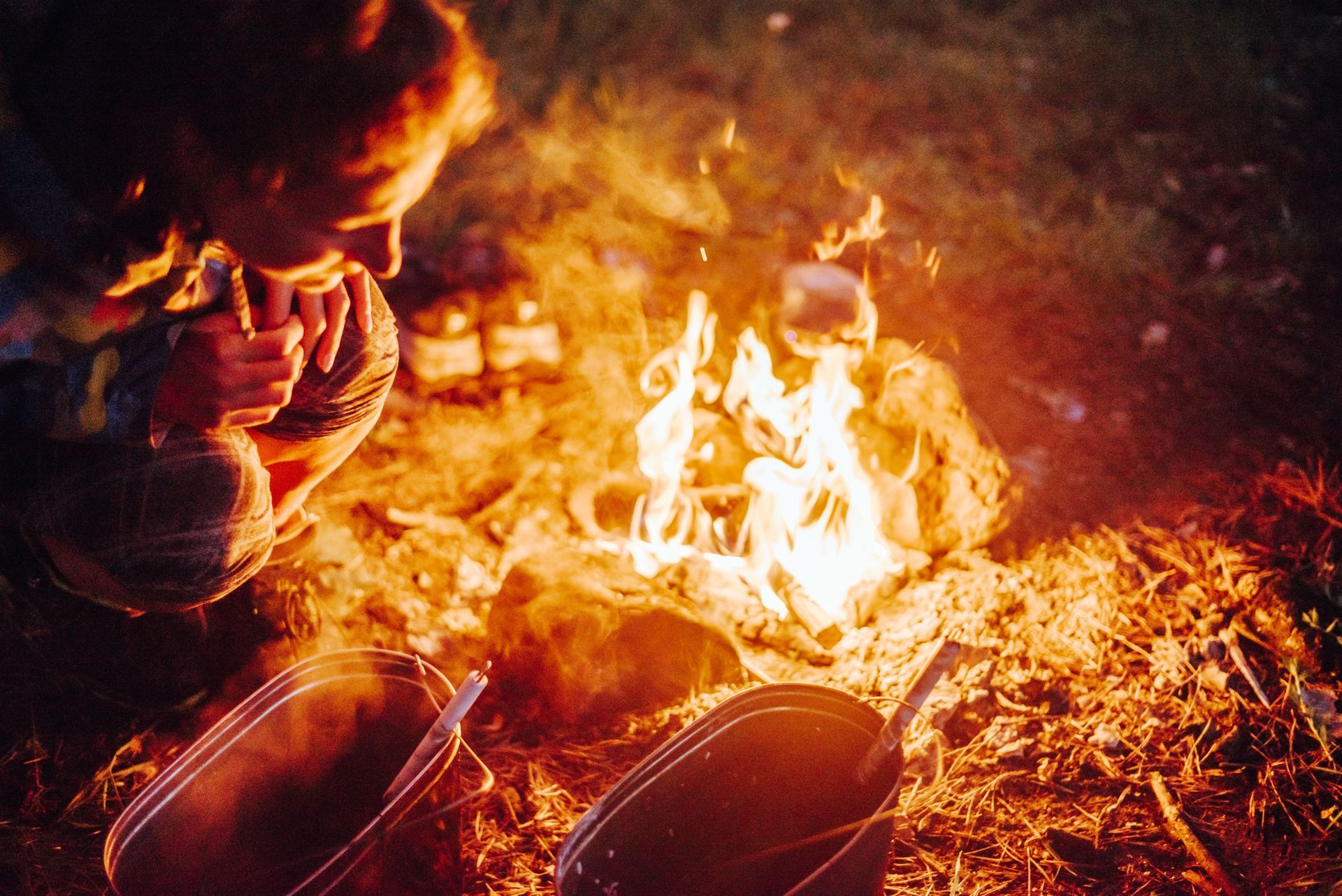
Across Indigenous cultures around the world—from the Americas to Africa, from the Middle East to Asia—women came together in this way. They sat in circles to share stories, to prepare food, to tend fires, to sing, to grieve, and to celebrate.
The circle was not just a shape.
It was a way of being.
In the circle, no one stood above another.
There was no front, no hierarchy.
Only a shared space where each voice mattered.
In many of these traditions, the elders held a quiet and essential role.
They were not separate from the group, yet they carried something that only time can give:
Perspective.
Patience.
Lived understanding.
Younger women would sit beside them—not to be instructed in a formal sense, but to learn through listening, observation, and presence.
A young mother might speak of exhaustion. An elder might nod, having lived that season before.
A woman facing change might share her uncertainty. Another, further along the path, might offer a few simple words—not advice, but recognition.
There was no need to fix or solve.
The circle itself held the experience.
In this way, wisdom was passed—not through authority, but through relationship.
Over time, as life in the Western world became more structured and individual, many of these natural gathering spaces quietly faded.
Women became more independent, more self-reliant, and often more isolated.
Conversations became shorter. Schedules became fuller.
Moments of stillness became rare. And yet, something in human nature does not forget so easily.
There remains a subtle pull—toward connection, toward slowing down, toward sitting together again.
In recent years, that pull has begun to reappear in communities across the country.
Women’s circles are quietly returning.
Not as something new, but as something remembered.
Modern circles are simple.
A group gathers, often seated in a circle, in a space that is calm and welcoming.
There may be a candle, or simply a shared intention to be present.Each person is given the opportunity to speak, or simply to listen.
There is no pressure.
No need to perform.
No requirement to have the right words.
What matters is not what is said, but that there is space for it to be said—or not said at all.
These gatherings are often guided by a circle holder—someone who helps maintain the tone of respect, confidentiality, and ease.
The role is not to lead in a traditional sense, but to gently hold the space so that others can feel comfortable enough to be themselves.
There is no agenda to fix or change anyone.
Only an understanding that when people feel safe, something begins to settle.
And when the body settles, something deeper can be felt.
In a small town like Borrego Springs, where community is already present, the idea of a circle does not need to be complicated.
It is simply an extension of something that already exists.
A place to gather intentionally.
A place to listen more deeply.
A place where stories can be shared—not to solve them, but to honor them.
Because when people sit together in this way, something subtle happens.
They begin to recognize themselves in one another.
And in that recognition, something that may have felt separate begins to feel connected again.
Perhaps that is why circles have endured across time and culture.
Not because they are structured or organized.
But because they reflect something fundamentally human:
The need to be seen.
The need to be heard.
And the quiet remembering that we were never meant to do life entirely alone.
Cherie Bianco
Kundalini Bianco – Center for Nervous System & Soul Integration
Uplifting Hearts, Revealing the Beauty that Rises from Within.